Why Low Carb Diets Work

Why Low Carb Diets Work

Photo Courtesy: [Phil Fisk/Cultura/Getty Images]

Carbs may be delicious, but, depending on your health status and any conditions you may have, they may not be the most nourishing (or healthy) macronutrients for you to eat. However, that doesn't mean you can't enjoy your favorite typically higher-carb foods — it just means you need a bit of creativity and a few tips and tricks for making modifications. That's especially true when it comes to a classic breakfast favorite: quiche.

Traditional quiche begins with a pie crust as its base, which isn't ideal if you're limiting carbs. But, by removing the crust — or using some delicious, low-carb substitutes — you can still enjoy the delicate egg and zesty ingredient combinations that make this dish so versatile. Start diversifying your low-carb breakfast menu (or even your evening meals) with these easy crustless quiche recipes.

Crustless Vegetable Quiche

Photo Courtesy: [EasyBuy4u/Getty Images]

Starting the day with an array of healthy vegetables — plus the protein from eggs — on your plate is never a bad idea. That's why this crustless vegetable quiche is such a nice option: You get great flavors and all the nutritional benefits of whatever veggies you add. Plus, it's vegetarian friendly. Even if you're not fully vegetarian, there are some great reasons to try this quiche; forgoing meat once in a while and upping your consumption of fresh produce can improve your cholesterol levels, for one.

This recipe from Food.com calls for broccoli, red pepper and zucchini, though you can swap them out for other vegetables if you prefer. Mushrooms, asparagus and tomatoes are tasty options as well. All are great sources of different vitamins, minerals and fiber. Add the cheese of your choice and some salt and pepper or other spices for an easy way to change up the flavor profile.

Crustless Quiche Lorraine

 Photo Courtesy: [jaker5000/Getty Images]

Quiche Lorraine might be one of the most classic (and best-known) recipes for this dish — and it's just as delicious without the crust. If you're looking for a keto-friendly breakfast dish that helps you reach your daily protein goals, this crustless quiche Lorraine, also from Food.com, is a top option.

Generally, people who follow the ketogenic diet get about 75% of their daily calories from fat, 20-30% from protein and around 5% from carbs. This recipe gets its fat and protein from the eggs, bacon and Swiss cheese you'll use. If you want to add a vegetable for extra flavor and nutrients, try spinach; it's relatively low in carbs but packed with healthy vitamins A and K.

Bacon Cheeseburger Keto Breakfast Quiche

 Photo Courtesy: [John Rizzo/Getty Images]

Looking for more crustless quiche options that work just as well for dinners as they do your morning meals? You'll want to try this bacon cheeseburger keto quiche from Kalyn's Kitchen. It satisfies keto fat and protein requirements thanks to its ground beef, bacon, eggs and the cheese of your choice (we recommend sharp cheddar). For a little bit of low-carb veggie crunch, add a handful of green onions and pickles into the mix too — yes, pickles in crustless quiche. They really do elevate this dish with their crunch and zesty tang.

Spicy Southwest Crustless Quiche

 Photo Courtesy: [yipengge/Getty Images]

For those on the keto diet who also like a little kick to their meals, this spicy Southwest crustless quiche from the folks at Wisconsin Cheese will definitely satisfy any flavor cravings. It's packed full of fat and protein thanks to its eggs, heavy whipping cream, milk and pork sausage. Add some jalapenos, green peppers and pepper jack cheese to crank up the spice level.

As with most of the quiche dishes in this list, you'll cook this in a greased pie dish at 350 degrees Fahrenheit until the edges are golden brown and the center of the quiche no longer looks runny or jiggly. It may take about 45 minutes to achieve the right cooked consistency, and you can also tell the quiche is done — as with many baked treats — when a knife inserted into the center comes out clean. Let the quiche stand for about 10 minutes to fully firm up before slicing into it.

Vegan Crustless Quiche

 Photo Courtesy: [Cavan Images/Getty Images]

This one is a bit of a surprise — a unique and flavorful surprise. You already know quiche is an egg dish, and eggs aren't vegan. So you might also be wondering how a vegan version could exist. In showcasing some true culinary creativity, this vegan crustless quiche from The Spruce Eats utilizes tofu, dairy-free crumbled cheese, soy or almond milk, nutritional yeast, ground cashews and dairy-free cream cheese.

The result is a smooth, authentic crustless quiche that's perfect for people who eat a plant-based diet or those who are allergic to eggs. In addition to its healthful egg-free base, it's got asparagus, garlic and turmeric to spice things up just right. You can always add or substitute your preference for other veggies as well; consider using what's in season to enjoy them at their peak of freshness.

Kale and Feta Crustless Quiche

 Photo Courtesy: [Kale and Feta Crustless Quiche/Eating Bird Food]

Eating Bird Food's kale and feta crustless quiche recipe is an easy yet flavorful low-carb meal that makes for not only a delicious breakfast but also an ideal main course for lunch or dinner. Simply pair a slice with a cup of soup or a salad to create a well-rounded meal. As an added bonus, this recipe is a little different from other basic crustless quiches, which can keep your taste buds on their toes while giving you a nutrient boost at the same time.

Aside from the kale, feta and eggs — its star ingredients — this recipe uses coconut oil, almond milk, mushrooms, garlic, nutmeg and parsley. And here's an interesting tidbit of information about kale: It's a superfood that's chock-full of vitamins and minerals — but that's also low in calories and carbs.

Resource Links:

https://nutritiondata.self.com/facts/vegetables-and-vegetable-products/2626/2

https://www.mayoclinichealthsystem.org/hometown-health/speaking-of-health/the-many-types-and-health-benefits-of-kale

MORE FROM SYMPTOMFIND.COM

Why Low Carb Diets Work

Source: https://www.symptomfind.com/health/basic-crustless-quiche-recipes?utm_content=params%3Ao%3D740013%26ad%3DdirN%26qo%3DserpIndex

Share:

Max Vitamin D Per Day For Child

Max Vitamin D Per Day For Child

Understanding D-Day: What Is the History of the Normandy Invasion?

Photo Courtesy: Galerie Bilderwelt/Getty Images

On June 6, 1944, the Allied powers launched D-Day, the largest seaborne invasion in history, and began the process of invading German-occupied Western Europe during World War II. Code-named "Operation Overlord," the invasion involved storming the beaches of Normandy, France.

The Normandy Invasion is often labeled as the beginning of the U.S.'s involvement in World War II in the European theater, but a lot of work the U.S. did built up to that date. The U.S. took a neutral stance on World War II until it became clear that neutrality was no longer an option.

Today, Normandy is a popular vacation destination due largely to the historic legacy it holds. From its bloody military past to the meaningful changes it symbolizes today, the Normandy Invasion remains a watershed moment that changed the course of world history as we know it.

D-Day's History: Waiting for the U.S. to Make Its Move

To understand the assault and touring of Normandy beaches, it's important to take a look at what was going on in the world that led up to the historic day during a point in time after World War I when the political and social climates of the day led to the election of Adolf Hitler and the Holocaust.

Photo Courtesy: Educational Images/Getty Images

While most historians agree that the Holocaust started in 1941, the human rights atrocities committed towards Jewish people had been happening long before. Jews were blamed for the declining economy in Germany after the Great War, and Hitler spread propaganda about the Jewish people that helped him further his political agenda.

When Hitler was elected in 1933, facism quickly spread, and it became increasingly brutal. The Concentration Camp Dachau opened shortly after. The Nazi Party was granted unchecked legislative power with The Enabling Act, which was passed in the same year. Not long after, Jewish people were intentionally isolated from society. Their businesses were boycotted. They were forced to wear star-shaped badges that identified them as Jewish to the public. Homosexual, Black and Romani people were also isolated and oppressed.

It's difficult to look at the Holocaust's history and not wonder why the U.S. didn't get involved immediately. The United States has earned a reputation for being a police-like figure on the world's stage. In the 1930s, however, the United States had only been a country for roughly 150 years and was still in the process of developing the political, cultural and military might that it's now known for.

Before the U.S. could emerge as a victor in World War II, it needed justification for entering as a combatant and overtly taking a side. On December 7, 1941, Pearl Harbor was attacked. This is the event that's typically credited with sparking the United States' involvement in World War II.

Prior to Pearl Harbor, the U.S. wanted to help but did not want to be directly involved. The Lend-Lease Act was passed in March 1941, several months prior to the attack on Pearl Harbor. Signed by President Roosevelt, this law sent more than $50 billion in food and supplies — the equivalent of $225 billion today — to Allied nations like France, England and China.

This still took place a few years prior to the battle on Normandy Beach, France. D-Day and the Invasion of Normandy have a reputation for being the United States' famed entrance into WWII combat, but the U.S. kept itself busy right after Pearl Harbor. Near Japan, U.S. troops saw battles in the Philippines, Solomon Islands and New Guinea, among other areas.

In Europe, the United States joined Allied forces by declaring war on Nazi Germany four days after the Pearl Harbor attack and three days after declaring war on Japan. Europe saw more focus from the States because London and Moscow — the capital cities of two powerful Allies — were more readily accessible to Germany than any other Ally's position was to Japan. The United States Navy joined the Battle of the Atlantic not long after. The first battle on land fought by U.S. troops alongside other Allies was Operation Torch in North Africa. Sixteen million American troops would eventually serve during World War II.

D-Day is less the beginning of U.S. involvement in World War II and more the beginning of the end of World War II itself.

What Happened During the Normandy Invasion Itself?

Normandy Beach is located on the Northern Coast of France. The body of water that makes it a beach is not technically the Atlantic Ocean but rather the English Channel, which spans 21 miles between France and England. France's proximity to England made the country a priority to defend because England was such an important ally to the U.S.

Photo Courtesy: Tylerweatherill/Wikimedia Commons

Originally, the Pas de Calais, a segment of land partially bordering the channel, was considered a potential landing site for the invasion, being that it was the closest continental point to Great Britain. Due to this, the Germans fortified Pas de Calais more heavily against attack than other areas. However, the Allied powers chose Normandy — which is about 200 miles southwest of Pas de Calais — as the landing site for the invasion because the geographic point offered a broader front of attack, allowing simultaneous attacks of Cherbourg, various important coastal ports, and an overland push to Paris and then into Germany. It was also in closest range to fighter aircraft stationed in England.

The beaches that were stormed were split into five sections: Utah, Omaha, Gold, Juno and Sword. Taking the beachheads cost the Allies considerable casualties, where approximately 10,000 men were lost, with 4,414 confirmed dead. The landing crafts dropped soldiers into heavy machine gun fire, where the Germans had set up formidable defenses along the coast. The beaches were laden with barbed wire, mines and other obstacles, making the invasion extremely deadly.

The invasion was originally scheduled for May 1, 1944. The date then changed to June 5, but inclement weather pushed the commencement of the invasion to June 6. D-Day is considered one of the most decisive moments of World War II. Many soldiers died that day, and today, the Normandy region contains numerous memorials, cemeteries and museums.

One factor in the operaton's success was deception. Instead of a Trojan Horse, Allied forces had Operation Fortitude. This utilized fake radio signals to throw the Germans off from the upcoming attack.

With nearly 160,000 troops crossing the channel that day and over 2 million Allied troops in all, the Normandy Invasion was more than one bloody day. This was the largest invasion that came by sea in known history. The battle waged on for months, officially ending on August 30 of 1944. During this time, the Allies also engaged in combat from France's Southern waterfront and made their way to Paris.

Touring Normandy Beaches: What the Former Battleground Looks Like Today

While it's easy to envision Normandy Beach as a somber area, it's become a popular tourist destination thanks to its beauty but also due to the reflective mood it inspires. Tours from Paris to Normandy are not hard to find — it's about a three-hour drive from Paris.

Photo Courtesy: Ulrich Baumgarten/Getty Images

Normandy has more than 11 beaches where people can soak up some sun. Normandiac Cider is a popular beverage to try while exploring the area. There's also Le Mont-Saint-Michel, a medieval castle community situated off the coast that's only accessible when the tide drops low enough to reveal its underwater road.

Every five years, the area spares no expense in celebrating the Allies' victory and commemorating the lives lost in battle decades earlier. The event includes reenactments and parades, and it culminates in a fireworks display on Omaha beach.

D-Day is an important day to remember because it marks neither a victory nor a defeat but a turning point that shifted the outcome of what remains the biggest and deadliest war in history. June 6, 1944, was the day the tides of World War II started to change. Remembering the history of the Normandy Invasion is an acknowledgement of the bravery, selflessness and devotion of the Allied troops and of the strategy involved. Battles are long. Wars are even longer. But even when things are at their toughest, they can culminate in a way that shifts momentum for the better.

Max Vitamin D Per Day For Child

Source: https://www.reference.com/history/normandy-invasion-history?utm_content=params%3Ao%3D740005%26ad%3DdirN%26qo%3DserpIndex

Share:

Lair Ribeiro Vitamina D Sol

Lair Ribeiro Vitamina D Sol

A few days ago Wizards of the Coast made the D&D Basic Rules available as a free download in PDF format. For anyone who ever played Dungeons & Dragons in any of its incarnations, from Gary Gygax to TSR to now, from Greyhawk to Dragonlance to Forgotten Realms, to — well, you get the idea — the potential fun to be had is obvious. Best of all, you can download the straight into Apple's iBooks app if you'd like, or any other PDF-friendly app you might have installed on your iPhone, iPad, or Mac.

The Basic Rules for Dungeons & Dragons is a PDF (over 100 pages, in fact) that covers the core of the game. It runs from levels 1 to 20 and covers the cleric, fighter, rogue, and wizard, presenting what we view as the essential subclass for each. It also provides the dwarf, elf, halfling, and human as race options; in addition, the rules contain 120 spells, 5 backgrounds, and character sheets.

  • Free - D&D Basic Rules (PDF) - Download now

How to add the D&D PDF to iBooks

If you want to keep your free copy of the Dungeons & Dragons basic rules safe, you can easily store it in iBooks.

  1. Go to Wizards of the Coast.
  2. Tap on the regular or print.pdf) version of the PDF.
  3. Tap someone on the screen to show the Open In... controls.
  4. Tap on Open in iBooks.

If you'd rather use a different PDF app, just tap on Open In... and select the app from the list.

Give the D&D Basic Rules a look and let me know what you think of them!

Which Pokémon remake is the best?

Deja Vu

Which Pokémon remake is the best?

Remakes are meant to be the definitive version of a video game, but not all remakes are created equal. Here's what we thought of every Pokémon remake so far, and which one is the very best (like no one ever was).

Lair Ribeiro Vitamina D Sol

Source: https://www.imore.com/get-dd-basic-rules-free-now

Share:

Is Evening Sun Good For Vitamin D

Is Evening Sun Good For Vitamin D

View all posts

Vitamin D and Sun Exposure: How to Optimize Your Levels

vitamin d-sun-running

While it's possible to get your daily dose of vitamin D from the foods you eat, very few foods are naturally-rich sources of the vitamin. Instead, your body actually makes most of its vitamin D from sunshine. Known as "the sunshine vitamin," vitamin D provides several important benefits to our bodies.

Share:

How To Bring Up Vitamin D Levels

How To Bring Up Vitamin D Levels

Photo Courtesy: Michael Godek/Getty Images

Are you getting enough sun? In many parts of the world, that might prove difficult during the winter months — and it can impact more than your sunny disposition.When exposed to sunshine, our bodies produce vitamin D, something our bodies need to maintain healthy bones and teeth; support our immune and cardiovascular systems; and stave off certain diseases, like type 1 diabetes. Some reports suggest that roughly three-quarters of American teens and adults might not be getting enough vitamin D. So, how can you turn that number around?

The National Institutes of Health (NIH) makes recommendations for what one's daily intake of vitamin D should be based on age, gender and other factors. The recommendations, in micrograms (mcg), can be summarized as follows:

Photo Courtesy: Sean Gladwell/Getty Images
  • Infants (up to 12 months): 10 mcg daily
  • Children (1 to 13 years): 15 mcg daily
  • Teens (14 to 18 years): 15 mcg daily
  • Adults (19 to 50 years): 15 mcg daily
  • Older adults (51 to 70 years): 15 mcg daily
  • Seniors (70+ years): 20 mcg daily

So, how can you supplement your vitamin D intake if all that basking in the sun isn't cutting it? Thanks to the Dietary Guidelines for Americans, we've rounded up 10 healthy foods that can help you reach those daily vitamin D goals.

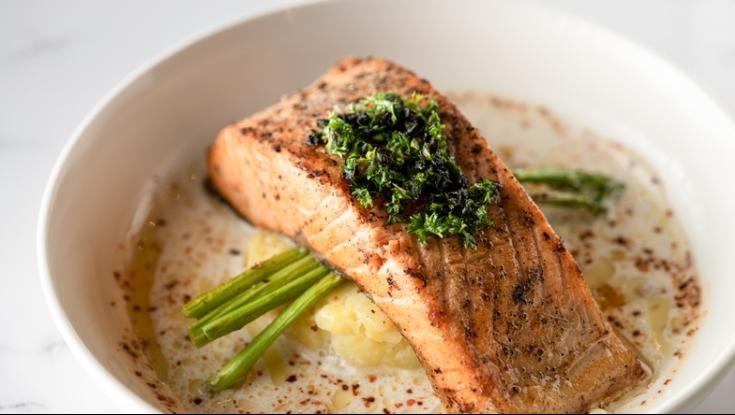
Salmon

Salmon comes in quite a few different varieties — canned sockeye salmon, smoked chinook salmon, canned pink salmon, cooked sockeye salmon, cooked pink salmon and even cooked wild coho salmon — and all of them are chock-full of vitamin D. All of these options will help you hit your goals. After all, a three-ounce serving of canned sockeye salmon contains 17.9 mcg of vitamin D, while a three-ounce portion of cooked sockeye salmon contains 11.1 mcg of vitamin D.

Photo Courtesy: Justin Ong/Getty Images

Smoked Whitefish

Want to change up that salmon intake? Whitefish can help with that. While whitefish are a species of fish, the term also refers to a cluster of types of fish, all of which have a mild, slightly sweet flavor. Some of the most popular "whitefish" include pollock, bass, cod, halibut, grouper and haddock. On average, a standard three-ounce serving of smoked whitefish contains an impressive 10.8 mcg of vitamin D.

Photo Courtesy: Bohemian Nomad Picturemakers/Getty Images

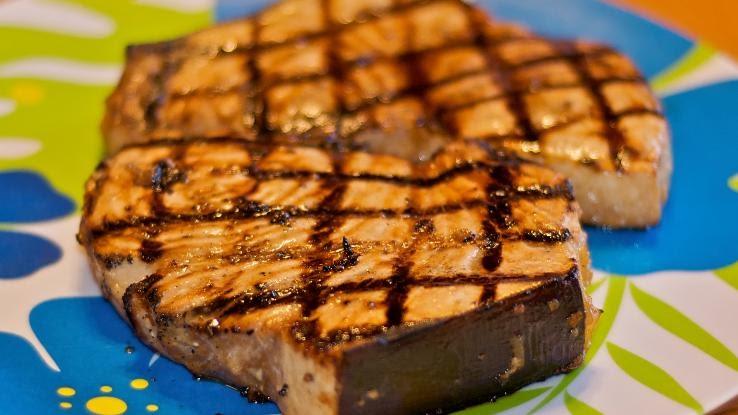
Swordfish

If you're looking for a terrific source of vitamin D, and to break up all that whitefish and salmon, try swordfish. These creatures can grow to be a whopping 1,400 pounds — and nearly 15-feet in length. While you wouldn't want to tangle with one of these in the ocean, encountering it as a nice, grilled steak is a treat. Best of all, a three-ounce portion will provide you with 14.1 mcg of vitamin D.

Photo Courtesy: Shawn Miller/Getty Images

Tilapia

Tilapia is a cluster of fish species that aren't found in nature. That is, tilapia is a farmed fish, which makes it pretty inexpensive. This mild species is the fourth most common type of seafood eaten by Americans, in part because of its versatility. We recommend a nice herb-and-parmesan crust, but, any way you slice it (or season it), a three-ounce portion will provide you with 3.1 mcg of vitamin D.

Photo Courtesy: Mike Kemp/Getty Images

Canned Tuna

Not into canned food? Well, canned fish should probably be your exception. In fact, canned tuna, in addition to being readily available and inexpensive, can make an abundance of tasty meals, from tuna salad and melts to casseroles. Best of all, a three-ounce serving of light tuna canned in oil contains about 5.7 mcg of vitamin D.

Photo Courtesy: LauriPatterson/Getty Images

Mushrooms

The five fish options we've listed above might not have surprised you, but this one might. Many varieties of mushrooms — including portabella, cremini, morels, chanterelles, maitake, and even your basic white button mushrooms — are excellent sources of vitamin D. In fact, half a cup of grilled portabella mushrooms delivers an impressive 7.9 mcg of vitamin D.

Photo Courtesy: Robert Lowdon/Getty Images

Eggs

Eggs — and, in particular, egg yolks — are one of the easiest, cheapest and quickest ways to nab some vitamin D. However, they may not be the food of choice for folks with high cholesterol. If your diet allows, whip up two scrambled eggs and enjoy getting 5% of your recommended daily intake of vitamin D first thing in the morning.

Photo Courtesy: valentinrussanov/Getty Images

Milk

Milk is more than just a great source of calcium. In fact, vitamin D is among its significant nutritional benefits. When it comes to a 16-ounce serving of cow's milk, the vitamin D content varies based on the milk's composition. For example, whole milk contains 6.3 mcg of vitamin D, while 2%, 1% and skim milk all contain 5.9 mcg. Even soy and dehydrated (powdered) milk will help you reach your goals by providing 5.8 mcg and 3.4 mcg of vitamin D respectively.

Photo Courtesy: JW LTD/Getty Images

Yogurt

Milk is not the only dairy product capable of delivering some serious vitamin D benefits. Of course, the nutritional value of yogurt changes depending upon the variety. For example, Greek-style yogurt contains more protein and less sugar than other types of yogurt. Nonetheless, you can still expect anywhere from 2 to 3 mcg of vitamin D per eight-ounce serving, regardless of the variety of yogurt.

Photo Courtesy: Westend61/Getty Images

Pork

So far, you've seen lots of fish and dairy options. You might be wondering, Where's the meat? Well, generally speaking, beef and chicken are not great sources of vitamin D. In fact, if you're a meat lover in search of some vitamin D, pork is your best bet. The nutritional value of pork varies depending upon the cut, method of preparation and more, but you're likely to find between 0.2 to 2.2 mcg of vitamin D in a standard three-ounce serving of pork.

Photo Courtesy: EasyBuy4u/Getty Images

Resource Links:

  • The U.S. Department of Health and Human Services and Department of Agriculture's Dietary Guidelines for Americans
  • The National Institutes of Health (NIH)

MORE FROM SYMPTOMFIND.COM

How To Bring Up Vitamin D Levels

Source: https://www.symptomfind.com/health/vitamind-foods?utm_content=params%3Ao%3D740013%26ad%3DdirN%26qo%3DserpIndex

Share:

How Much Exposure To Sun For Vitamin D

How Much Exposure To Sun For Vitamin D

The sun

The summer weather has surprised us and made getting your daily dose of vitamin D that much easier. But the sunny weather always prompts questions about how to enjoy it safely.

Most people know there's a balance to be struck when it comes to spending time out in the sun. Its UV rays that are the main cause of skin cancer, but we also need some sunshine to generate vitamin D.

Although the number of children getting rickets from low vitamin D levels is still relatively small, in recent years it has increased slightly, suggesting some people may not be spending enough time outside. But skin cancer is also on the increase, for example almost 16,000 people are diagnosed with melanoma every year.

The amount of sun you need to generate enough vitamin D varies depending on your skin. But it has been unclear how long people might need to spend in the sun to generate enough vitamin D while minimising their skin cancer risk.

That's where research from Professor Lesley Rhodes, at the University of Manchester, comes in.

Is there a safe level of sun exposure?

In an in-depth Cancer Research UK-funded study, Rhodes and her team looked at the impact of exposing 39 people of different skin types to low levels of UV. Would that be enough to generate vitamin D? And will this cause DNA damage in their cells that could lead to skin cancer?

Unlike previous studies, Rhodes gave participants UV doses related to their burning risk.

As the dose of UV increased towards their individual burning level, there was an increase in both vitamin D levels and DNA damage seen in skin samples. For all skin types these factors seem to be completely intertwined.

What about different skin types?

One motivation for Rhodes is understanding more about difference between skin types. "Quite a lot of information has been gathered on white-skinned people, but there's been very little for people with darker skin. We needed to firm up our knowledge by looking at the major benefit and the major harm of sunlight at the same time in each person."

Interestingly, the findings differed by skin type when the researchers looked at the lower layer of the skin, where damage is most dangerous. For darker skin types DNA damage wasn't detected at this lower level, it was mostly at the surface. In lighter skin types DNA damage was found throughout the layers, meaning there was more potentially dangerous damage lower down.

"This was a really novel discovery, that the darker the skin colour the closer the DNA damage was to the surface" says Rhodes.

Regardless of dose or skin type, the DNA damage was no longer present 48 hours later. Our bodies can deal with some level of DNA damage and the level of damage in the study seemed to be low enough to be cleared shortly after. Although this is reassuring, the study can't rule out the possibility that damage like this could go on to cause problems. And Rhodes is keen to study this more in the future.

What does this mean for people?

The findings suggest there's DNA damage happening before skin burns and that it may be more likely to lead to problems in lighter skin types than darker ones. Larger studies will be needed to confirm those results.

"People with darker skin can be encouraged to expose their skin to the sun, without burning, to get vitamin D with very low risk of skin cancer," says Rhodes. "However, for people with lighter skin who are easy burners we've shown even very low doses of UV radiation, down to one fifth of their sunburn threshold, can unfortunately damage the cells in lower layers of the skin."

There may not be a totally safe level of exposure to the sun when it comes to DNA damage and skin cancer risk, but we also need some sunshine to make vitamin D. Rhodes' next question was how long do we need to spend in the sun to make enough?

Minutes not hours

"We wanted to define a fairly straight-forward formula for how much sunlight people would need in the UK to get enough vitamin D," says Rhodes. "People are always asking 'how much?', but it's not quite as simple as just talking about minutes, you also need to look at what area of skin you need to expose and at what time of day."

To do this, she teamed up with Professor Ann Webb, a physicist with expertise in the atmosphere and sunlight. Together, they modelled the level needed by the end of summer for most people to have enough vitamin D throughout winter, when the sun isn't strong enough for us to make vitamin D in the UK.

They estimated that 9 minutes of lunchtime sunlight each day would be enough for Caucasians to stay above the 'deficient' category of vitamin D level throughout the year. This figure assumes that people would be in shorts and t-shirts for June to August, while only having their hands and faces exposed from March to June and for September.

Our bodies start to break down vitamin D when we're generating a lot of it so you can't do a week all in one go. Little and often does seem to be the key.

With the same conditions, even people with darker brown skin that hardly ever burns and easily tans – such as people of South Asian origin –and may only need 25 minutes.

Not a prescription

The studies were based on several specific assumptions. For example, they considered exposure to sun in the UK without sunscreen, accounting for UK weather and no travel abroad. But they can help to give us a broad idea. As Rhodes says: "Some assumptions have to be made but we tried to look at something that was realistic. After this 9 minutes is when sun protection becomes key."

But if you're concerned about your vitamin D levels, or your family's, you may only need to find a few minutes outside at lunchtime each day. Like almost everything else in our daily lives, it won't be completely risk-free, but it should give a healthy balance.

"People often think it's a balance between getting enough vitamin D and avoiding skin cancer," says Rhodes. "But our feeling is that quite often people may be justifying too much time in the sun in order to get their vitamin D. So it's important to give people the information.

Nikki Smith is a health information manager at Cancer Research UK

Find out more on how to enjoy the sun safely:

  • 12 sun safety myths debunked
  • Ways to enjoy the sun safely

Tags

How Much Exposure To Sun For Vitamin D

Source: https://news.cancerresearchuk.org/2018/08/06/getting-enough-vitamin-d-you-need-far-less-sun-than-you-might-think/

Share:

High Dose Vitamin D Australia

High Dose Vitamin D Australia

Summary

Vitamin D deficiency is a common condition that affects a significant number of Australians. Vitamin D is important in the maintenance of bone health, and deficiency leads to osteomalacia and contributes to fragility fractures. Deficiency has also been implicated in a wide variety of extra-skeletal conditions. Vitamin D can be easily assessed in patients by measuring serum 25-hydroxyvitamin D. Replacement of vitamin D needs to be tailored for each patient and depends on the severity of the deficiency. Toxicity is unlikely with vitamin D when it is administered as cholecalciferol as it has a wide safety window.The adequacy of replacement should be monitored and in cases of persistently low concentrations, malabsorptive conditions (especially coeliac disease) should be excluded.

Introduction

Australia is well known for its abundance of sunshine. Hence, it is perhaps surprising that vitamin D deficiency is a common condition affecting a large proportion of Australians. A recognised consequence of low vitamin D is osteomalacia in adults. 1 It also contributes to osteoporosis, that is fragility fractures, in part through increased risk of falls. 2 Vitamin D deficiency has also been implicated in other conditions including cardiovascular disease, increased cancer risk and mortality, falls, sarcopenia, diabetes, multiple sclerosis, osteoarthritis, epilepsy and cognitive dysfunction.

Metabolism and function of vitamin D

The two main forms are vitamin D3 (cholecalciferol) and vitamin D2 (ergocalciferol) (see Fig. 1). These are transported to the liver and metabolised to 25-hydroxyvitamin D3 and 25-hydroxyvitamin D2 which are the major circulating forms of vitamin D and are measured in most assays. A second hydroxylation takes place in the kidney to form 1,25-dihydroxyvitamin D3, also known as calcitriol, and 1,25-dihydroxyvitamin D2. These are the activated forms of vitamin D and have three main functions:

  • enhancing absorption of calcium and phosphate from the small intestine
  • inhibiting parathyroid hormone synthesis and secretion
  • mineralising the bone matrix. 3

Impaired renal function results in reduced production of 1,25-dihydroxyvitamin D, whereas hepatic function, even if it is severely impaired, does not seem to have a major effect on vitamin D metabolism.

Figure 1, Vitamin D metabolism

Sources of vitamin D

The main source of vitamin D comes from exposure of the skin to sunlight. Hence there is considerable seasonal variation with concentrations higher at the end of summer compared to other seasons. Vitamin D3 is found in fatty fish such as herring, salmon and mackerel. Other sources include eggs, meat and fortified foods such as margarine (Fig 1). For most Australians, adequate vitamin D is unlikely to be achieved through dietary sources alone without fortification. 4

Controversies regarding sun exposure

Guidelines on sun exposure must be tempered by the high prevalence of skin cancers in this country. Much controversy has surrounded the topic of how much sunshine is enough and how much is too much. It is a subject where there has often been a lack of consensus among medical specialists themselves and this problem is further compounded in transferring this message to the public. 5

Recommending sun exposure

Recommended exposure of 5–15 minutes of sunlight 4–6 times a week outside the hours of 10 am–2 pm seems prudent (Table 1). 1 Certainly, avoidance of the most dangerous ultraviolet exposure in the middle of the day is appropriate, especially in summer, with responsible use of ultraviolet blocking agents. Guidelines on exposure to sunshine need to be tailored to the individual − one size does not fit all. Many factors need to be considered including geographical location such as latitude, season, time of day, skin colour, age and particularly clothing.

Dermatologists have expressed concern about relaxation of sun protection messages, which have played a large role in the media campaigns to reduce the incidence of skin cancers. Important caveats include some knowledge by the public of the ultraviolet index* – concentrations above 3 require sun protection. People who are at the highest risk of skin cancers, such as those who are immunosuppressed, should take even more stringent precautions in the sun. 5 On the other hand, people with darker skin can require 3–4 times more sun to achieve the same vitamin D synthesis. 3

Table 1 Recommendations of sun exposure for adequate vitamin D synthesis on exposed arms and legs (outside the hours of 10 am–2 pm)†
Region Duration (minutes)
Summer Winter
Cairns 6–7 9–12
Townsville 5–7 9–13
Brisbane 6–7 15–19
Sydney 6–8 26–28
Melbourne 6–8 32–52
Adelaide 5–7 25–38
Perth 5–6 20–28
Hobart 7–9 40–47

† Adapted from reference 3

Causes of vitamin D deficiency (see ref. 3)

Reduced synthesis of cholecalciferol in the skin

Reduced sun exposure can result from ageing, veiling, illness or immobility (staying indoors). As people age, their ability to synthesise cholecalciferol from sun exposure decreases. Also, people with dark skin synthesise less cholecalciferol from sun exposure than do people with light skin.

Disorders of malabsorption

Small bowel disorders – especially coeliac disease and inflammatory bowel disease, infiltrative disorders (for example lymphoma, granuloma) and small bowel resection − can cause malabsorption of vitamin D. Other conditions such as pancreatic disorders (chronic pancreatitis, cystic fibrosis) or biliary obstruction (primary biliary cirrhosis) can have the same effect.

Enhanced degradation of 25-hydroxyvitamin D

Drugs such as rifampicin and anticonvulsants enhance the degradation of vitamin D which may contribute to or exacerbate vitamin D deficiency.

Groups at highest risk of vitamin D deficiency (see refs. 6,7)

Older people in residential care or those who are hospitalised, particularly people with hip fractures, are at risk of vitamin D deficiency, as are people living in institutional facilities. This is partly explained by age-related thinning of the skin and partly due to reduced sunlight exposure. Other at-risk groups include dark-skinned women (especially if veiled), ethnic minorities (Asian, Middle-Eastern origin) and refugees. Patients with malabsorptive syndromes or who are obese also are at increased risk of vitamin D deficiency. Hyperparathyroidism increases the metabolism of vitamin D and thus decreases its half-life. Supplementary requirements are therefore greater in patients with hyperparathyroidism.

Diagnosing vitamin D deficiency

Vitamin D deficiency is usually asymptomatic, but signs and symptoms can include muscle aches and particularly weakness (proximal limb girdle). It is often seen in older people with osteoporosis. While there is debate about the benefit of vitamin D supplementation in preventing osteoporotic fractures, there is evidence that it may reduce falls risk. 2 Also, virtually all of the currently approved osteoporosis treatments have been evaluated in the presence of adequate vitamin D concentrations so these should be achieved as part of the approach to osteoporosis treatment.

Vitamin D deficiency can be detected using the 25-hydroxyvitamin D radioimmunoassay. While there is debate as to ideal concentrations, the following could be used to guide a clinical approach:

  • vitamin D sufficiency > 75 nmol/L
  • sub-optimal levels 50-75 nmol/L
  • vitamin D insufficiency 25-50 nmol/L
  • vitamin D deficiency 15-25 nmol/L
  • severe vitamin D deficiency < 15 nmol/L.

This assay should also be used to monitor therapy. Virtually all commercial assays now measure 25-hydroxyvitamin D2 as well as 25-hydroxyvitamin D3. Parathyroid hormone and ionised calcium should be measured as an adjunct to 25-hydroxyvitamin D. Parathyroid hormone is usually elevated in the context of vitamin D deficiency. The aim of treatment is to normalise 25-hydroxyvitamin D, parathyroid hormone and calcium.

Vitamin D supplementation

The lower the 25-hydroxyvitamin D serum concentration, the more aggressive replacement therapy regimen is required to achieve acceptable concentrations rapidly. The greatest benefits are seen in high-risk individuals with decreased bone mineral density. In a meta-analysis of randomised controlled trials, vitamin D and calcium reduce the risk of falls and hip and other non-vertebral fractures in older people. 8 However, the target range of 25-hydroxyvitamin D is still debated with values anywhere between 50 and 110 nmol/L being advocated. In patients treated with bisphosphonates, adequate calcium and vitamin D are required for efficacy of treatment. Many supplements only have 400 IU of vitamin D, but there is evidence that at least 800 IU is required for adequate benefit.

Benefits of vitamin D supplementation have also been reported in other conditions including diabetes and the metabolic syndrome, 9 neoplasia 10, 11 and cognitive dysfunction. 12 Although most of these studies are preliminary, they indicate potential benefits that may be of great significance in the future.

Daily requirements

Daily requirements for vitamin D are around 800–1000 IU, but larger doses are needed for patients who are already deficient. For moderate deficiency, that is 15–25 nmol/L, oral supplementation with 3000–5000 IU daily for 6–12 weeks can be used to replete stores followed by a maintenance dose of 1000–2000 IU per day. Vitamin D status should be assessed 3–4 months after commencing treatment as vitamin D is stored in fat and muscle and there is a lag time before normalisation of serum concentrations. 3

For severe vitamin D deficiency, that is 25-hydroxyvitamin D less than 15 nmol/L, the intramuscular form of cholecalciferol 100 000 IU (megadose therapy) may be more suitable to replenish stores more quickly and effectively. 3 This is especially pertinent for patients with malabsorption, acute medical illnesses and poor dietary compliance. Currently, such formulations are only available for specialists under a special access scheme.

Vitamin D in pregnancy

There is little consensus regarding the optimal dose of vitamin D required by pregnant women. The arbitrary addition of 400 IU vitamin D to most multivitamins sold for use during pregnancy is based on little evidence and is usually insufficient for most women who do not receive adequate sunshine or are dark-skinned or covered up. The pre-pregnancy 25-hydroxyvitamin D status is the best predictor of levels during pregnancy and hence the best gauge of requirements during pregnancy. Even supplements of 1000–1600 IU vitamin D have been found to be inadequate in many cases of deficiency. Supplementation with 2000–10 000 IU has usually resulted in acceptable concentrations without any adverse effects. Whether these observational studies can translate into widespread recommendations remains to be studied in large interventional studies.

The mother's vitamin D status is important because it will determine that of her infant – neonatal vitamin D concentrations correlate closely with those of the mother. 13

Vitamin D supplements

Cholecalciferol (vitamin D3) 1000 IU or 25 microgram is the supplement most commonly used and costs approximately 11–16 cents per capsule. It is not subsidised by the Pharmaceutical Benefits Scheme. Multivitamin supplements with 32–200 IU per tablet are not adequate to treat or prevent vitamin D deficiency. 3

Calcitriol (1,25-dihydroxyvitamin D3) is generally not suitable for treatment of vitamin D deficiency as it has a narrow therapeutic window resulting in an increased risk of hypercalcaemia or hypercalciuria. This is especially true in nursing home residents who often have quite severe vitamin D deficiency. Calcitriol has a role in the treatment of vitamin D deficiency in renal failure where there is inability to convert 25-hydroxyvitamin D to 1,25-dihydroxyvitamin D. Serum calcium concentrations and renal function must be monitored closely under these circumstances.

Adverse effects of treatment

Vitamin D toxicity can be caused by excess oral intake, but not by prolonged exposure to sunshine. No evidence of toxicity has been found in cholecalciferol doses up to 4000 IU daily. Even doses of 100 000 IU at more than three-monthly intervals have not been associated with toxicity. Vitamin D intoxication causes hypercalcaemia and can present with symptoms of anorexia, nausea, constipation and depression. Examination and investigations may demonstrate renal calculi, renal impairment and anaemia.

Conclusion

Vitamin D deficiency is common in Australia and contributes to significant morbidity. It is easily assessed by measuring serum 25-hydroxyvitamin D concentrations. Replacement needs to be tailored depending on the degree of insufficiency, and vitamin D concentrations should be monitored after 3–4 months. If vitamin D is low or proving difficult to replenish, ensure compliance and exclude malabsorption conditions such as coeliac disease.

*The ultraviolet index is an open-ended linear scale which rates the danger of solar ultraviolet radiation intensity on a daily basis. Each point on the scale is equivalent to 25 milliWatts/m2 of ultraviolet radiation. A rating of 0–2 is low, 3–5 is medium, 6–7 is high, 8–10 is very high and 11+ is extreme.

Dr Joshi's training position is supported by Sanofi-Aventis. She has received financial support from Servier, Novo Nordisk and Sanofi-Aventis to attend educational conferences.

Associate Professor Center has been supported by and/or given educational talks for Eli Lilly, Merck Sharp and Dohme, Novartis and Sanofi-Aventis.

Professor Eisman has worked with Amgen, de Code, Eli Lilly, Merck Sharp and Dohme, Novartis, Sanofi-Aventis and Servier. He was Editor-in-Chief of the Journal of Bone and Mineral Research from 2003 to 2007, and is a chair or member of several committees for federal and state health departments, and the Royal Australian College of General Practitioners.

References

  1. Nowson CA, Diamond TH, Pasco JA, Mason RS, Sambrook PN, Eisman JA. Vitamin D in Australia. Issues and recommendations. Aust Fam Physician 2004;33:133-8.
  2. Bischoff-Ferrari HA, Dawson-Hughes B, Staehelin HB, Orav JE, Stuck AE, Theiler R, et al. Fall prevention with supplemental and active forms of vitamin D: a meta-analysis of randomised controlled trials. BMJ 2009;339:b3692.
  3. Working group of the Australian and New Zealand Bone and Mineral Society, Endocrine Society of Australia and Osteoporosis Australia. Vitamin D and adult bone health in Australia and New Zealand: a position statement. Med J Aust 2005;18:281-5.
  4. Nowson CA, Margerison C. Vitamin D intake and vitamin D status of Australians. Med J Aust 2002;177:149-52.
  5. Janda M, Kimlin MG, Whiteman DC, Aitken JF, Neale RE. Sun protection messages, vitamin D and skin cancer: out of the frying pan and into the fire? Med J Aust 2007;186:52-3.
  6. Brock K, Wilkinson M, Cook R, Lee S, Bermingham M. Associations with vitamin D deficiency in 'at risk' Australians. J Steroid Biochem Mol Biol 2004;89-90:581-8.
  7. Benson J, Skull S. Hiding from the sun \u2013 vitamin D deficiency in refugees. Aust Fam Physician 2007;36:355-7.
  8. Bischoff-Ferrari HA, Willett WC, Wong JB, Stuck AE, Staehelin HB, Orav EJ, et al. Prevention of nonvertebral fractures with oral vitamin D and dose dependency: a meta-analysis of randomized controlled trials. Arch Intern Med 2009;169:551-61.
  9. Reis JP, von Muhlen D, Kritz-Silverstein D, Wingard DL, Barrett-Connor E. Vitamin D, parathyroid hormone levels, and the prevalence of metabolic syndrome in community-dwelling older adults. Diabetes Care 2007;30:1549-55.
  10. Chiang KC, Chen TC. Vitamin D for the prevention and treatment of pancreatic cancer. World J Gastroenterol 2009;15:3349-54.
  11. Ng K, Wolpin BM, Meyerhardt JA, Wu K, Chan AT, Hollis BW, et al. Prospective study of predictors of vitamin D status and survival in patients with colorectal cancer. Br J Cancer 2009;101:916-23.
  12. Lee DM, Tajar A, Ulubaev A, Pendleton N, O'Neill TW, O'Connor DB, et al. Association between 25-hydroxyvitamin D levels and cognitive performance in middle-aged and older European men. J Neurol Neurosurg Psychiatry 2009;80:722-9.
  13. Hollis BW, Wagner CL. Assessment of dietary vitamin D requirements during pregnancy and lactation. Am J Clin Nutr 2004;79:717-26.

High Dose Vitamin D Australia

Source: https://www.nps.org.au/australian-prescriber/articles/vitamin-d-deficiency-in-adults-1

Share:
banner